


Metal finishing is where time is quietly lost on fabrication jobs. Welds get dressed twice, surfaces are reworked, and final finishes rarely look the way they should on the first pass. In most cases, the problem is not skill. It is process. When finishing stages blur together or the wrong consumables are used too early, small mistakes compound into wasted hours.
A controlled finishing sequence, supported by the right abrasives and stable tooling, reduces rework and produces consistent results. Treating metal finishing as a defined process rather than a single task changes outcomes immediately.
Understanding the Stages of Metal Finishing
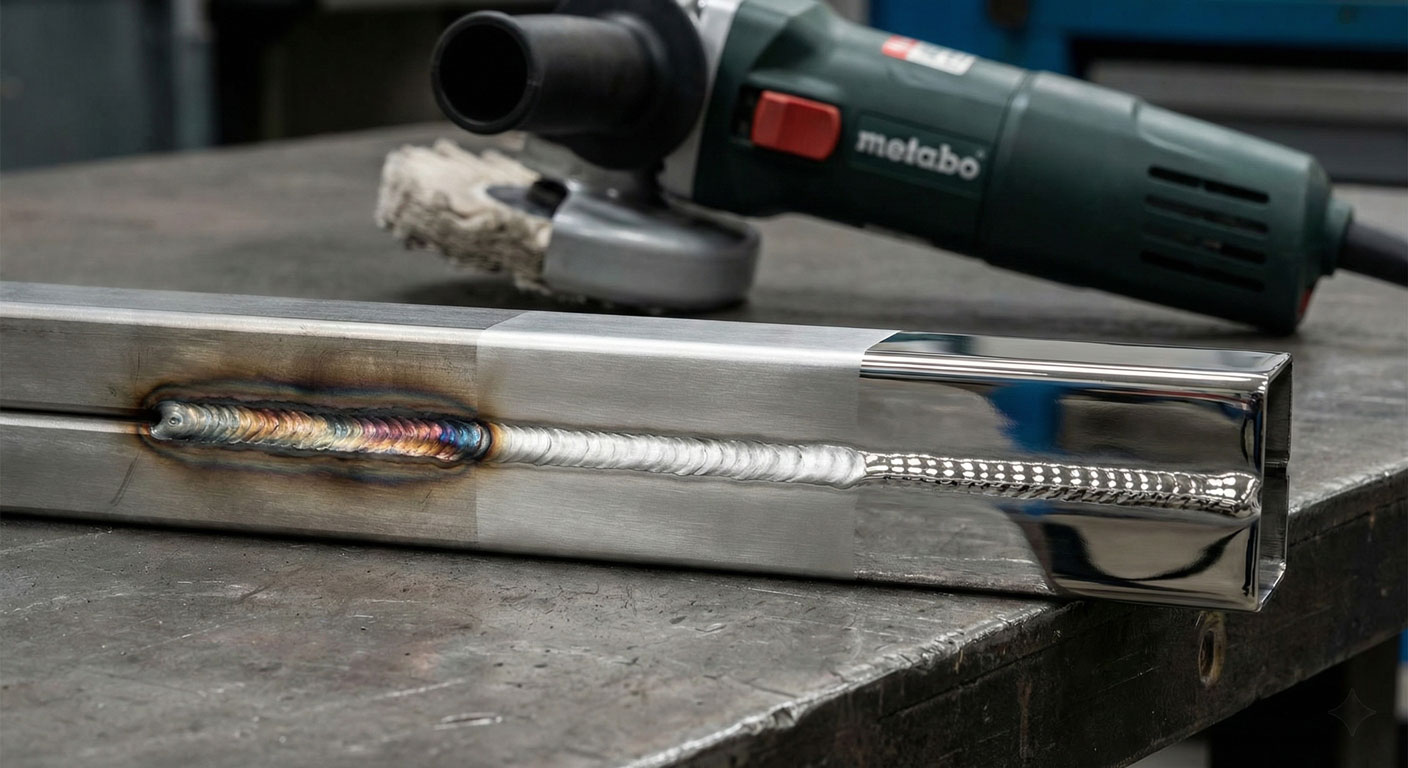
Metal finishing works best when it is broken into clear stages. Weld dressing removes excess material. Blending smooths transitions. Polishing refines the surface to its final appearance or functional requirement. Each stage serves a different purpose and requires a different approach.
Problems arise when stages are rushed or skipped. Dressing too aggressively leaves deep marks that are hard to remove later. Poor blending shows through even the best polishing work. A structured approach shortens the overall job time because each stage prepares the surface properly for the next.
Weld Dressing Without Creating More Work
Weld dressing is about removal with control, not speed. Excessive pressure generates heat, risks gouging, and removes more parent material than intended. Once material is gone, it cannot be put back.
The goal is to level the weld without undercutting the surrounding metal. Controlled grinder movement, consistent angles, and stopping at the right point prevent unnecessary surface damage. Knowing when to stop dressing is just as important as knowing how to start.
Blending and Surface Levelling
Blending is where most finishing jobs succeed or fail. This stage removes the visual boundary between the weld area and the parent metal. If blending is inconsistent, the defect becomes more obvious after polishing rather than less.
Scratch pattern control matters here. Deep or uneven marks introduced during blending require extra work later. Smooth, even transitions reduce the effort needed in the final stages and produce a more uniform finish.
Polishing and Finishing to Specification
Polishing should refine, not correct. When earlier stages are done properly, polishing becomes predictable and efficient. The surface should already be uniform before final refinement begins.
Heat management is critical during polishing. Excessive heat can distort the surface, introduce discolouration, or cause heat tint, particularly on stainless steel. Light pressure and progressive refinement achieve better results than forcing the finish.
Stainless Steel vs Mild Steel
Stainless steel and mild steel behave very differently during finishing. Stainless shows defects more readily and is more sensitive to heat. Poor technique results in visible marks, surface smearing, or discolouration.
Mild steel is more forgiving, but that tolerance can encourage bad habits. Applying stainless finishing discipline to mild steel improves consistency and reduces the chance of visible defects when surfaces are painted or coated.
Choosing Abrasives and Accessories for Each Stage
No single consumable can handle every stage of finishing. Grinding, blending, and polishing each demand different abrasive characteristics. Using the wrong disc or belt at the wrong stage increases heat, shortens consumable life, and damages the surface.
Selecting appropriate metal finishing abrasives and accessories from the Metabo range allows each stage to be completed cleanly and efficiently. Correct selection reduces waste and improves repeatability across jobs.
Avoiding Common Finishing Mistakes
Most finishing problems come from overworking early stages. Removing too much material during dressing creates deeper marks that take longer to correct. Chasing minor defects too late in the process often makes them worse.
Inconsistent technique between operators also leads to uneven results. A repeatable process reduces reliance on individual habits and improves overall quality.
Tool Control and Consistency in Finishing Work
Stable speed and predictable torque matter during metal finishing. Variations in speed increase heat and introduce inconsistent scratch patterns. Finishing work benefits from tools that deliver consistent output over long periods.
Using metal finishing machines designed for controlled continuous work supports better surface quality and reduces operator fatigue. Consistency in tooling supports consistency in results.
Building a Repeatable Finishing Workflow
A repeatable workflow saves time across every job. Clear stage definitions, correct consumable selection, and consistent tool setup reduce rework and training overhead. Operators spend less time correcting mistakes and more time finishing correctly the first time.
Process matters more than speed. A controlled approach produces better finishes faster than rushing through stages and fixing problems later.
FAQ’s
Q1: Can one disc handle multiple finishing stages?
A1: No. Each stage requires different abrasive characteristics for best results.
Q2: Why does stainless steel show defects more easily than mild steel?
A2: Stainless is more heat-sensitive and reflects surface inconsistencies more clearly.
Q3: How do you avoid heat tint during polishing?
A3: Use light pressure, appropriate abrasives, and allow the tool to do the work.
Q4: When should blending stop and polishing begin?
A4: Once transitions are smooth and scratch patterns are consistent.
Q5: What causes most rework in metal finishing?
A5: Over-aggressive dressing and skipping proper blending stages.